
Every leader eventually discovers the same thing about the people in their organization. Employees want more than a paycheck.
Yes, compensation, benefits, flexibility, and a myriad of other employment factors matter. But beneath all of them is something much deeper.
People want their work to matter. They want to be trusted. They want opportunities to grow. They want their voice to count. They want meaningful responsibility, not just assigned tasks.
In short, they want freedom.
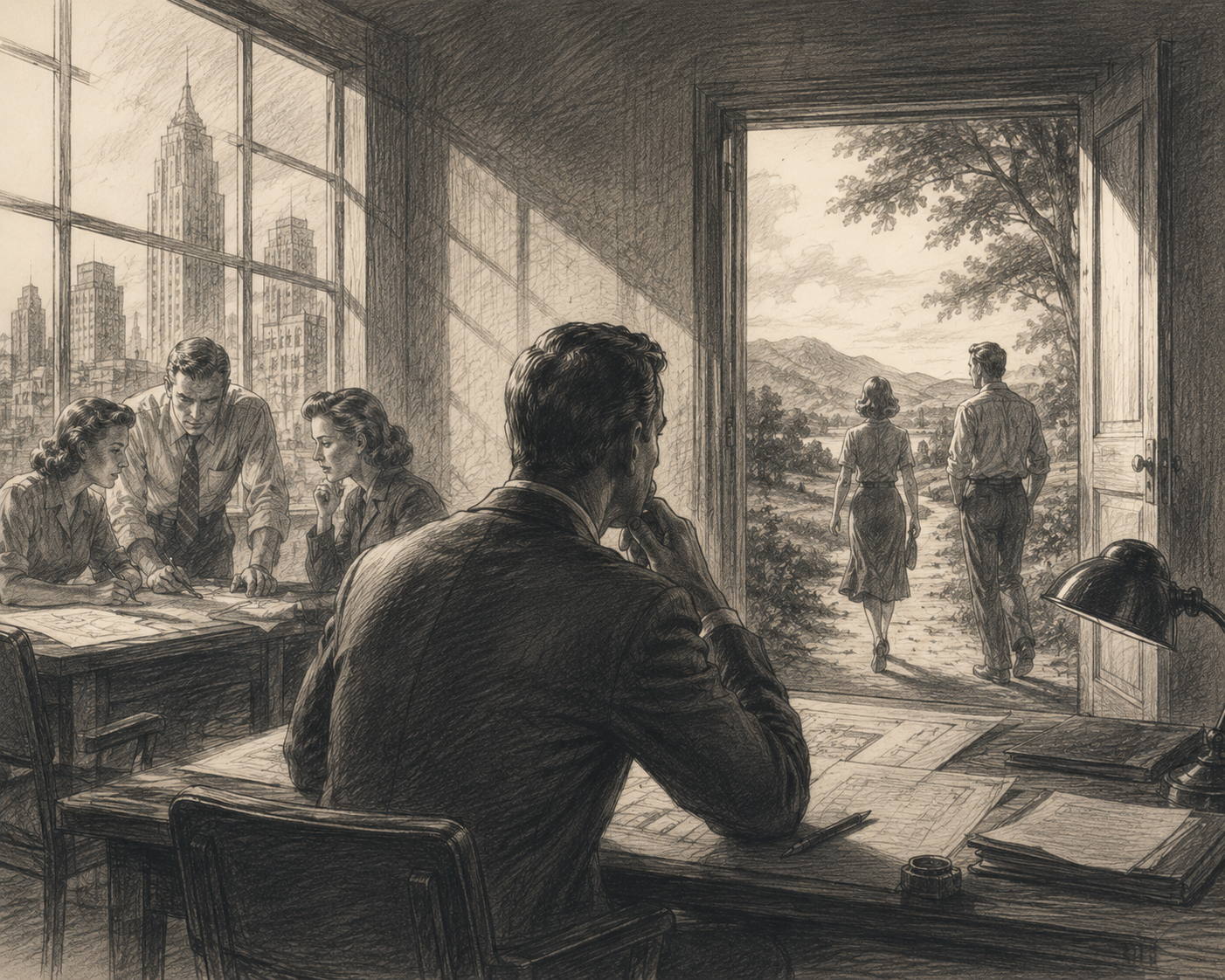
Not unlimited freedom. Not freedom from accountability (though some may think they do). They want the freedom to think, contribute, create, solve problems, and make a meaningful difference.
When leaders understand this, cultures thrive. When they don’t, organizations slowly drift toward something far less healthy.
In too many cases, our first instinct is to think problems will be solved by adding more control. A mistake is made, so we add another approval. Communication breaks down, so we require another meeting. A poor decision is made, so authority becomes more centralized. On and on it goes.
Before long, what began as an effort to improve performance becomes an organizational culture where people hesitate to act without permission.
Control may produce compliance, but it rarely produces commitment. Micromanagement may improve consistency for a season, but it almost always diminishes initiative over time.
The irony is that most people don’t resist accountability. They resist unnecessary control.
Deep down, they want to own a stake, to build something meaningful, or make something better. They want to know their contribution matters.
The best leaders understand this instinct and intentionally build cultures around it. They create clarity, establish healthy accountability, and delegate both authority and responsibility. They replace suspicion with trust whenever possible.
Why?
Because exceptional leadership is not merely about understanding business. It is about understanding people. And to truly understand people, we need to be willing to go a little deeper.
Why do people long for freedom in the first place? Why does nearly every human being desire greater trust, greater ownership, greater responsibility, greater purpose, and greater opportunity to contribute?
I don’t believe that longing is accidental. I believe it’s ancient.
As our nation celebrates 250 years since the signing of the Declaration of Independence, conversations about freedom naturally take center stage. We celebrate those who sacrificed for liberty and rightly cherish the freedoms we enjoy as Americans. But the human longing for freedom didn’t begin in 1776.
It began in a garden.
The opening chapters of Genesis describe humanity exactly as God intended us to live. Adam and Eve enjoyed meaningful work. They exercised stewardship over creation. They experienced complete trust in their relationship with God and one another. Their lives were marked by purpose, creativity, security, and peace.
They were free.
And yet, they were not without boundaries.
From the very beginning, God established a framework for human flourishing. There was work to do, responsibility to carry, and one clear boundary that reminded them God alone defines what is good.
That’s where our modern definition of freedom often misses the mark.
Freedom has never been the absence of structure. It has always included the presence of the right structure.
Sin did not simply separate us from God. It distorted our understanding of freedom itself. We began believing that freedom meant independence from God's design rather than flourishing within it.
Perhaps that is why we continue searching.
We long for freedom.
We long for purpose.
We long for security.
We long for belonging.
We long for beauty.
We long for justice.
We long for peace.
These are not random human desires. They are reminders of the world we were created to inhabit before sin fractured it. Deep within every human heart is a longing for restoration, even if we can’t always name it.
That realization should reshape the way we lead.
The best organizational cultures don’t merely generate profits or increase productivity. They acknowledge something profoundly human.
People flourish when they are trusted. They flourish when they are given meaningful responsibility. They flourish when they understand the purpose behind the process. They flourish when accountability develops stewardship instead of simply enforcing compliance.
Healthy organizations still need policies, systems, and clear expectations. Freedom without structure eventually becomes chaos.
But structure without freedom eventually becomes oppression.
The question is not whether your organization needs boundaries. Every healthy organization does. The question is whether those boundaries create an environment where people can flourish.
This week, take a fresh look at the culture you are creating.
Do your systems cultivate trust or dependence? Do your policies empower wise decision-making or merely preserve control? Are you developing owners or permission-seekers?
Great leadership is not simply about designing organizations that achieve results. It’s about designing organizations that honor the way people were created.
The closer our cultures move toward trust, meaningful responsibility, healthy accountability, stewardship, and purposeful work, the closer they move toward the kind of flourishing every human heart quietly longs for.
Perhaps that longing isn’t a problem to solve. Perhaps it is a reminder of the way we were created from the very beginning.
Blessings to you, my friends!
==========
This Week’s Resource Recommendation:
"Garden City: Work, Rest, and the Art of Being Human."
- John Mark Comer
From Amazon: The mantra for many in our culture is that we work to live. People aim to make as much money as possible, in as little time as possible, with as little effort as possible, so they can get off work and go do something else.
What a miserable way to live. No wonder we are so unhappy, grouchy, and angsty. We've lost something central to who we are as humans.
In the Bible, the book of Genesis paints a very different picture of what it means to be truly human – we don't work to live; we live to work. From the very first pages of the Bible, human beings were made to rule over and care for the earth. By calling and by commission, humanity was created to do good work. In Garden City, you will explore this biblical vision and discover that, ultimately, what you do matters just as much as who you are. Along the way, you will explore important and practical questions:
· Does God care where I work?
· Does he have a clear direction for me?
· How can I create a rhythm for work and a practice of rest?
This book isn't about how to get ahead in your career or spruce up your resume – it's about working, resting, and living a full and satisfying existence. It's about spiritual life invading all of life.
MMS 26-27
I would love to send our Monday Morning Stretch directly to you via email and would consider it an honor to serve you in this way. To register, please take 30 seconds to give us permission to do so below.
